

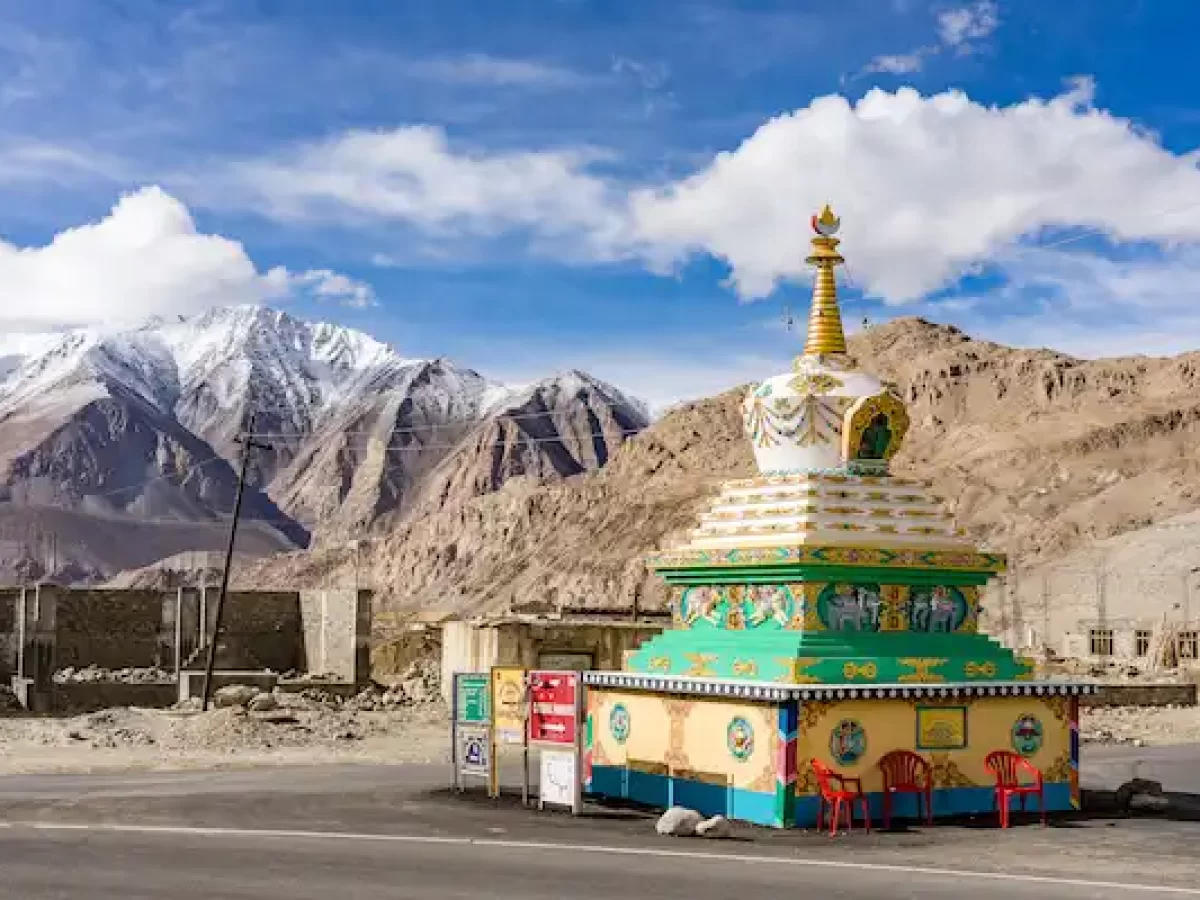
Spiti Valley, known as the “Middle Land” between India and Tibet, is one of the most breathtaking and spiritually charged destinations in the Indian Himalayas. Surrounded by snow-capped peaks, rugged terrains, and ancient monasteries, Spiti offers an experience unlike anywhere else raw, remote, and soul-stirring.
Located in Himachal Pradesh, Spiti is perfect for travelers who crave solitude, adventure, and connection with nature and culture. From high-altitude villages like Kaza and Kibber to monasteries like Key and Tabo, every turn in Spiti reveals a story written in stone and silence.
Why Visit Spiti Valley
Majestic Landscapes – A paradise of barren mountains, turquoise rivers, and ancient valleys that change colors with the sun.
Adventure & Exploration – High-altitude treks, off-road drives, and thrilling river crossings along the Spiti circuit.
Monasteries & Culture – Visit Key, Dhankar, and Tabo monasteries spiritual landmarks over a thousand years old.
Offbeat & Peaceful – No crowds, just the hum of prayer wheels and mountain winds. Perfect for travelers seeking peace and authenticity.
Unique Villages & People – Experience life at the world’s highest villages Kibber, Langza, Hikkim, and Komic where hospitality meets Himalayan resilience.
Best Places to Visit in Spiti Valley
- Kaza – The Heart of Spiti
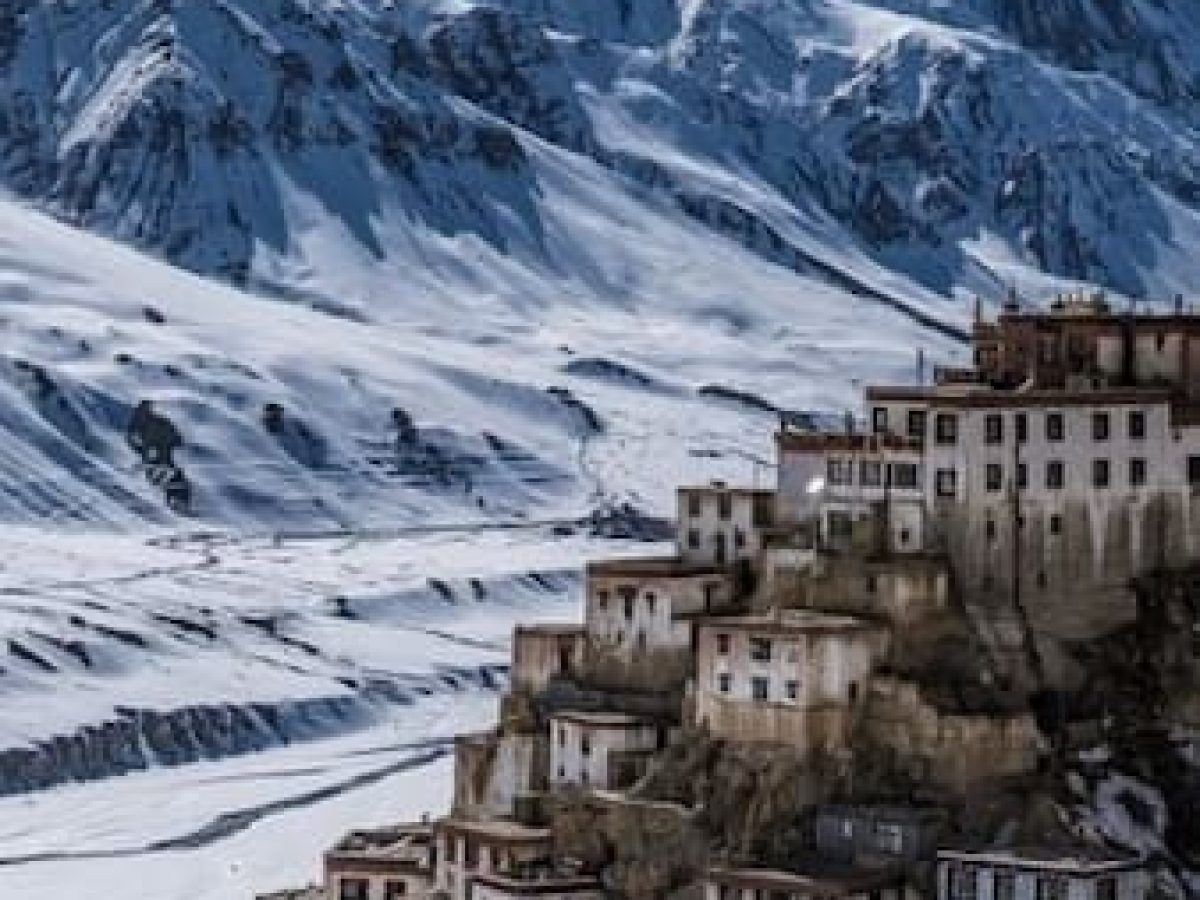
The largest town in the valley and your base for most explorations. Visit Key Monastery nearby, shop for woollens and souvenirs, and experience local cafes that blend tradition with warmth. - Key Monastery – The Spiritual Icon
Perched on a hilltop overlooking the Spiti River, this centuries-old monastery offers panoramic views, peaceful prayer halls, and rare Buddhist art. - Kibber & Chicham – High-Altitude Villages
Kibber is one of the highest inhabited villages in the world and the gateway to the Kibber Wildlife Sanctuary. The nearby Chicham Bridge, Asia’s highest suspension bridge is a must-visit. - Langza – The Fossil Village
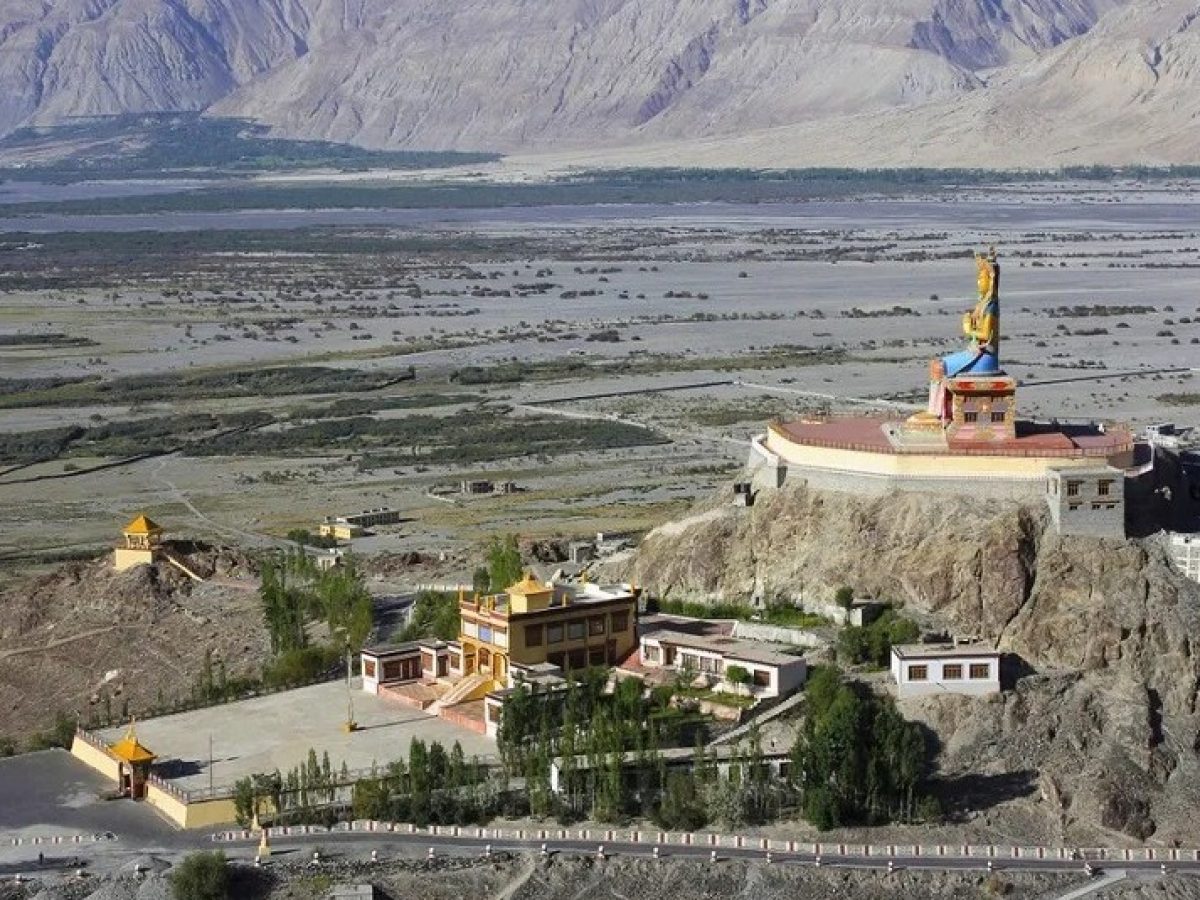
Known for its giant Buddha statue overlooking the valley and marine fossils from prehistoric times. Langza offers a peek into Spiti’s ancient geology and peaceful village life. - Hikkim – World’s Highest Post Office
Send a postcard from 14,400 feet above sea level, a memory that truly defines “offbeat travel.” - Komic – Highest Village Connected by Road
At 15,000 feet, Komic is among the world’s highest motorable villages. Visit Tangyud Monastery and enjoy the surreal stillness of the mountains. - Dhankar Monastery & Lake
A monastery dramatically perched on a cliff overlooking the confluence of the Spiti and Pin rivers. A short hike leads to the serene Dhankar Lake. - Pin Valley National Park
Home to rare wildlife like the snow leopard and Himalayan ibex, Pin Valley adds lush contrast to Spiti’s stark landscapes. - Tabo Monastery – The Ajanta of the Himalayas
A UNESCO World Heritage site candidate, Tabo is one of the oldest functioning Buddhist monasteries in the world, filled with ancient murals and scriptures. - Chandratal Lake – The Moon Lake
A turquoise jewel set at 14,000 feet, Chandratal is famous for its mirror-like reflections of surrounding peaks. Camp overnight by the lake under a million stars.
Top Things to Do in Spiti Valley
- Drive the Spiti Circuit via Manali–Kaza–Kinnaur for the ultimate road trip.
- Stay in homestays for an authentic cultural experience.
- Trek to Dhankar Lake or Pin Valley for stunning Himalayan views.
- Visit Key Monastery during morning prayers.
- Capture Milky Way photography at Langza or Chandratal.
- Visit the fossil fields and explore local handicrafts.
- Try traditional Spitian dishes like Thukpa and momos.
- Experience winter snow treks or summer camping by riversides.
- Explore remote monasteries like Kungri and Lhalung.
Best Time to Visit Spiti Valley
May to October (Summer Season): Ideal for road trips, treks, and sightseeing. The weather is clear, and roads are open from both Manali and Shimla routes.
November to April (Winter Season): For seasoned travelers who wish to experience a snow-covered Spiti. Limited accessibility but unmatched serenity and charm.
Travel Tips for Spiti Valley
- Acclimatize properly; Spiti lies above 10,000 ft altitude.
- Carry warm clothing even in summer temperatures drop sharply at night.
- Keep cash; ATMs are scarce and unreliable.
- Carry reusable bottles and avoid single-use plastic.
- Mobile networks are limited; BSNL works best.
- Respect local monasteries and traditions; seek permission before photographing monks.
- Travel with a sturdy vehicle or hire local drivers experienced with mountain terrain.
Who Should Visit Spiti Valley
Adventure Lovers: For road trips, mountain treks, and remote village exploration.
Photographers: Stunning landscapes, starry skies, and ancient monasteries.
Backpackers: Affordable homestays, offbeat travel, and soulful experiences.
Spiritual Seekers: Ancient Buddhist culture, prayer chants, and meditation retreats.
Couples: Romantic isolation, scenic stays, and Himalayan tranquility.
Why Spiti Valley Should Be Your Next Travel Destination
Spiti is not just a destination; it’s an awakening. Every curve of the valley tells a story of monks meditating in ancient caves, of rivers carving their way through timeless rock, and of travelers rediscovering silence in its vast openness.
From the turquoise glow of Chandratal to the chants of Key Monastery echoing at dawn, Spiti Valley captures the wild heart of the Himalayas. If you’re seeking a journey that challenges and changes you, Spiti is that once-in-a-lifetime experience.



Comment (0)